University of Minnesota – Duluth students in David Beard’s Minnesota Writers class interviewed local writers and wrote spotlight articles that we will showcase in the coming months.
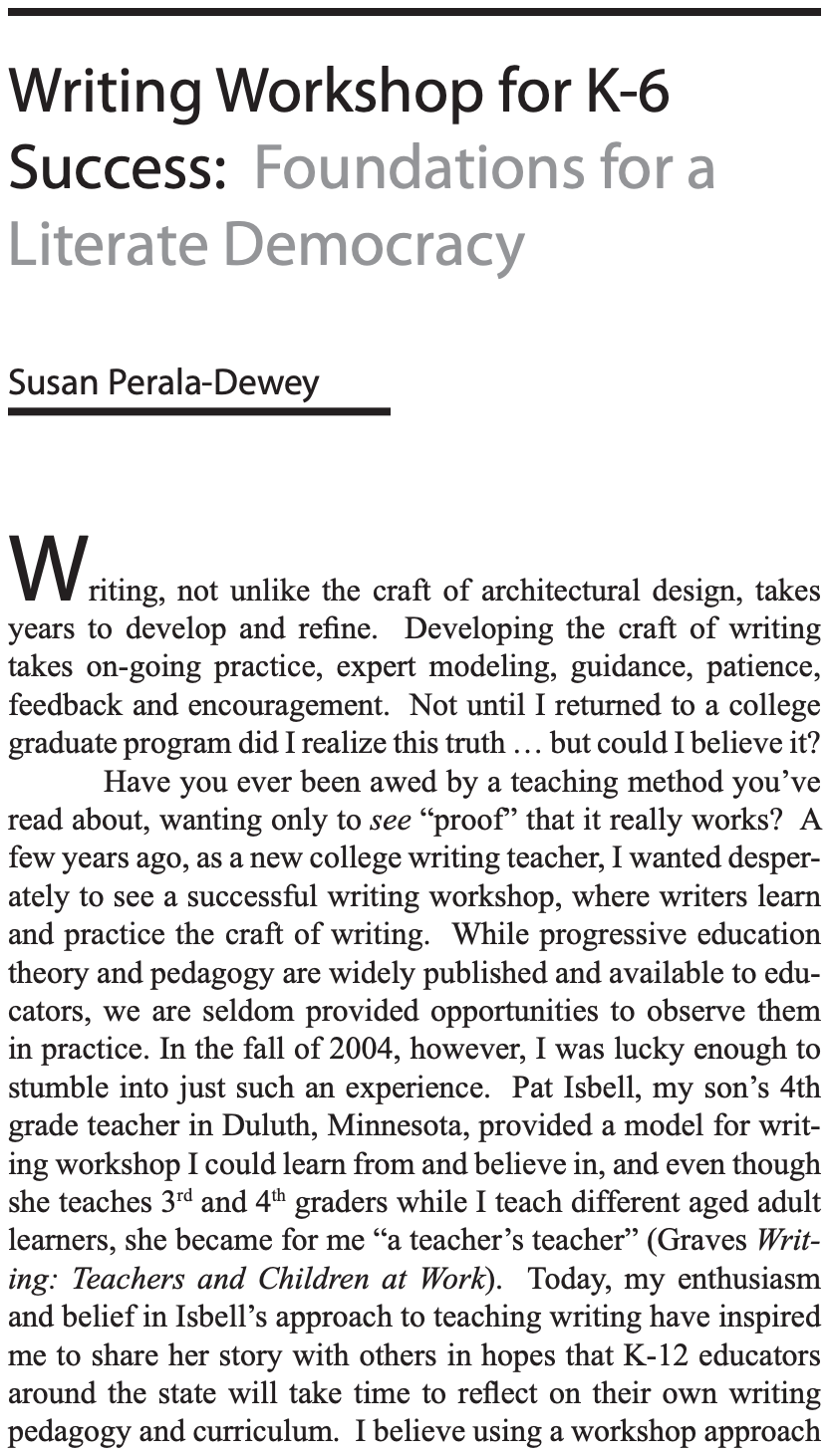
Susan Perala Dewey teaches writing at UMD. I was delighted to speak to her about her career, poetry, and creative process. Susan was born and grew up here in Duluth. With four siblings, she spent much of her childhood playing and exploring outside. She said this led to a close relationship with nature in her work and personal life. After graduating high school, she left the area and worked with a mortgage credit reporting company. Eventually she returned to school for her Bachelor’s. She then spent 10 years at home with her children before a friend convinced her to pursue a Master’s in English at UMD. As part of her degree program, she taught first-year writing. After graduating, Susan was asked to stay to teach at UMD and the rest is history. She is grateful for how everything worked out, but there was a long journey to get where she is today.
Susan greatly values creativity. She believes everyone is naturally creative and curious, but our culture often values productivity and perfection. She shared a story about her seventh-grade English class when she was required to learn “speed-reading” which she has yet to master. With today’s bombardment of technology, it is hard to find the space to create. Susan believes in taking time to find quiet and calm.
With someone as busy as Susan, one has to question how she keeps a drive to create. The answer is that sometimes you can’t. Balance is hard to maintain between teaching, family, and community.. She has learned that a continued connection with nature helps ground her. She referred to this as a sort of meditation. She said she often does her best ‘writing’ while she’s walking in the woods. She also emphasized the need to get away from home to ‘unplug and reconnect’ in quiet contemplation. This kind of self-care allows her to rediscover creative energy.
Susan’s biggest advice to new writers? Find your people. She believes it is important to have a community of writers to listen, encourage, and support your work. Her current writing group evolved from her work with the Minnesota Writing Project, established to empower teachers across disciplines and grade-levels through writing. Her writing group meets monthly to write and share early drafts. She also advises working from prompts. The act of getting words on the paper is the first step to a deep creativity.
Susan advises to be gentle with yourself. You may not feel creative every day, but it is important to turn creativity into something whenever you are able to. For those who struggle with sharing their work because of potential criticism, Susan has advice. She says it is best to seek a community to share work with, but understand that everything you write won’t be for every reader. Fear of sharing is natural, but taking the first step and letting just one person read can change your life.
Susan uses the world around her for inspiration and is so honest about the struggle to balance creative writing with life. Learning about her nature-focused creative approach was inspiring. As someone who struggles to share their written work, I found Susan’s advice to be both motivational and deeply comforting. I hope you, too, are inspired to write and share your words with someone soon.
Delia Alger is someone who yearns for escapism. Since childhood, being born and raised in Northeastern Minnesota, she has escaped into other worlds through science fiction and fantasy novels. She now specializes in short science fiction romance stories that whisk you away for a fun and easy read. Most of her writing is done on an antique typewriter while sitting at home with her cats: Paris and France. A good cup of tea, a cat, and a free afternoon is her happy place. Outside of the written word, Delia prefers to be at home with her partner, crocheting, playing violin, or baking.
University of Minnesota – Duluth students in David Beard’s Minnesota Writers class interviewed local writers and wrote spotlight articles that we will showcase in the coming months.
I was in a hurry the day that I met Lynn Wohlwend. I was squeezing her in after my eleven o’clock class and before my one o’clock class. By the time I got to Wohlwend’s office I was flustered and flushed from fighting the crowds of students in the hallways. Her office was tidy and neat. Sunlight streamed through the windows in soft rectangles warming the room and cutting through the chaos I had carried with me. It felt like a breath of fresh air after my hectic walk across campus.
Lynn Wohlwend works at the University of Minnesota Duluth as a Writing Studies professor in the College of Arts, Humanities, and Social Sciences. At first glance, her background and education might look a little bit different from most writing and English professors. Wohlwend graduated from the University of Madison Wisconsin with her bachelor’s degree in Zoology and her Master of Science degree in Life Science and Communication. She also received her Master of Fine Arts in Creative Writing from the University of New Mexico.
Once I learned about her educational journey, I wanted to understand the internal thought behind it. What makes someone change from science to literature? I myself had recently gone through a change from science to English (from nursing school to majoring in elementary education with a minor in English).
When I asked about her decision to move away from science, she explained simply but honestly, “Science was not the right fit for me. I was not happy when I was working in a science lab.” Her tone was calm, but there was a certainty in her voice, an acceptance of a truth she had come to understand over time. She also told me that she enjoyed journalism when she was first getting into the English world.
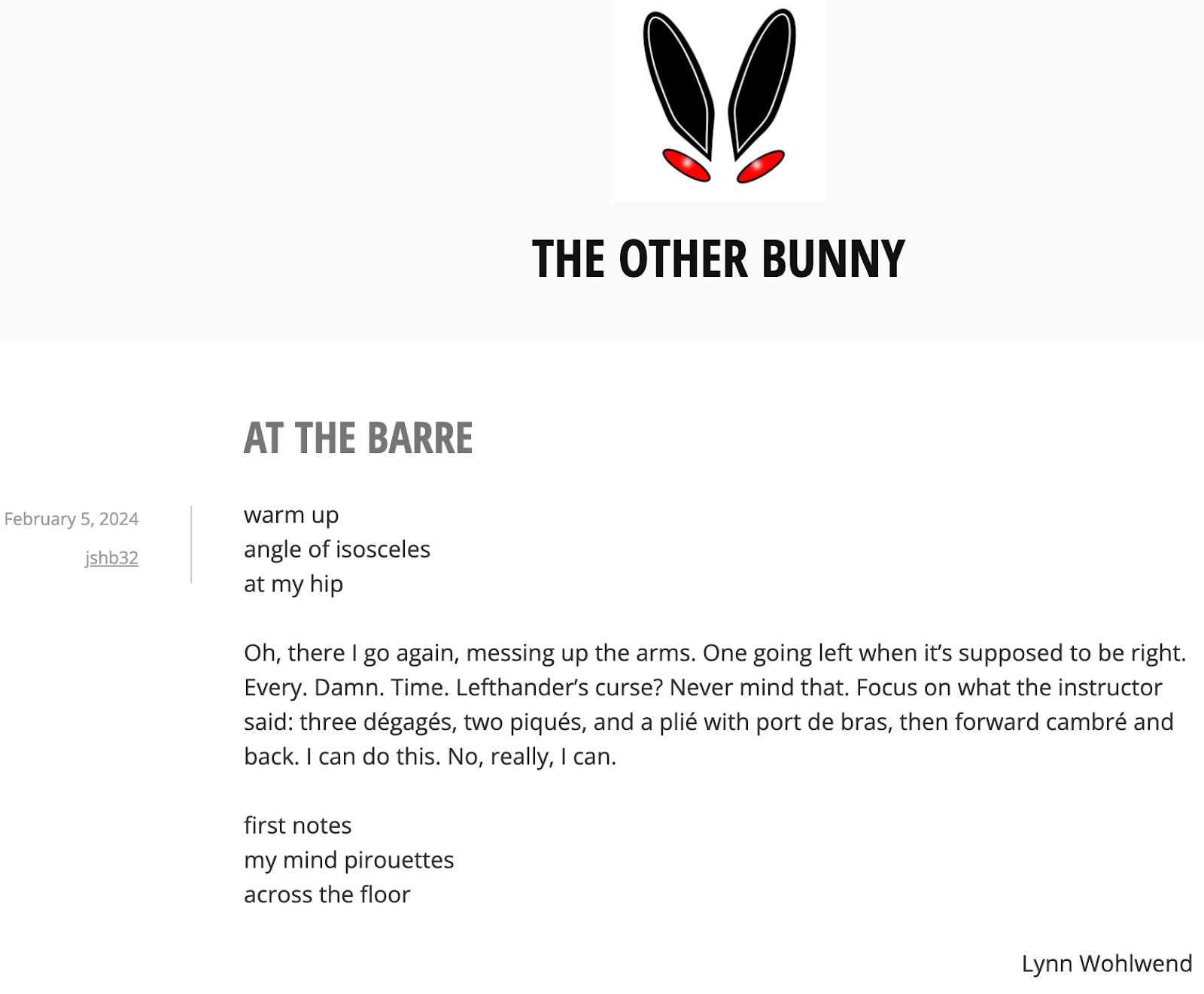
Prior to my interview with Wohlwend, I read her haibun poem titled “At the Barre,” which was published in an online poetry journal called The Other Bunny. A haibun is a traditional Japanese poem that combines prose and haiku poem styles. A haibun normally begins with a paragraph style text with one or more haiku poems following.
Wohlwend’s haibun was about a person who is attempting to perform ballet. The person performing the ballet is struggling to perfect the different positions being demanded of them. They call it the left-handers curse. The poem was very vulnerable and awkward, which made it easy for the audience to relate to. I was curious about why she chose this form and what drew her to ballet terminology specifically.
Wohlwend told me that she is in ballet. “I joined in my mid-thirties. I must be the oldest person there, but I enjoy going because it is something that I can do for myself that makes me feel good.” She told me she enjoyed playing with the haibun and trying something new both with the haibun and with ballet.
Wohlwend has been working on a novel for quite some time, a project that continues to remind her why she chose writing in the first place.
I asked her if she had any advice for aspiring authors. “Be kind to yourself,” is what she told me. She also told me to keep a steady routine. “Most new writers think that they have to write for an hour a day and they will have it made. This is a good idea in theory, but is completely unrealistic. If you can even write for a few minutes at first, you will build a routine and do just fine.” One piece of advice that I found the most reassuring was when she told me that she is still developing as a writer. “It takes time,” she reminded me.
By the end of our interview, the rush from getting to her office had faded. Meeting with Lynn Wohlwend offered me answers, not just to the questions that I needed to be answered for my assignment but also questions that I had as an aspiring author. She told me about what it means to grow, to change paths, to experiment, and to learn. She has changed careers, interests, and residences – and still made all of them work. She listens to what her heart wants and to what brings her joy. Walking out of her sunlit office, I learned that writing is a lifelong process, not a craft to be perfected.
Cassie Zortman is powered by caffeine and chocolate with a serious shopping addiction. When she is not checking out her cart online, she is reading, writing, or pretending like her TBR pile isn’t judging her. She grew up on a farm in the middle of Minnesota with no wifi. With nothing but open fields and a stack of books, she began dreaming up her stories before she ever wrote them down. Today she still lives in Minnesota (with wifi), a chocolate croissant in reach, a mug of coffee within dangerously elbow-knocking distance, and a cat who believes her lap is the only acceptable place to nap.
University of Minnesota – Duluth students in David Beard’s Minnesota Writers class interviewed local writers and wrote spotlight articles that we will showcase in the coming months.
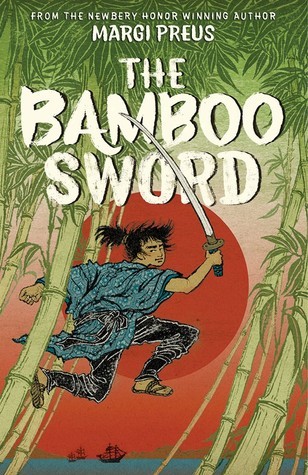
Nothing can have the same influence on a person than their favorite childhood story, like those created by Margi Preus. Early in the fall of 2024, I had the honor of speaking with the author about the impactful and heavy topics in her works directed toward youth. Preus has written sixteen books, including Heart of the Samurai (2010) and its sequel, The Bamboo Sword (2015).
When she was young, Preus read books, like Harriet the Spy, that felt transformative to her. A quote from Graham Greene, author of The Power and the Glory, encapsulates the notion of how powerful reading can be when you’re younger: “Every childhood there is a moment where the door opens and the future is let in.” According to Preus,
“I want to write about that moment. Kids who are stepping into their future and finding out who they could be and what’s important for them to focus on need these books.”
At the time Preus was teaching a Writing Fiction class at the University of Minnesota in Duluth, she was writing her first novel, The Heart of the Samurai. The idea was a thought process; one click to another. It began when Preus visited Japan and learned about the historical samurai, Nakahama Manjiro, who is the main character of her first novel and an inspiration to the protagonist in the sequel.
“Before I started writing Heart of the Samurai, I visited Japan as a chaperone for a trip. The other chaperone was a children’s librarian who gave me a book called Shipwrecked about Manjiro that taught me about his life. I wanted to know everything I could about him after that. This was long enough ago that there wasn’t much on the Internet.”
After scouring books, watching samurai movies and lighting Japanese incense, Preus accumulated enough knowledge about Manjiro to write Heart of the Samurai, which, shortly after, demanded a sequel, The Bamboo Sword. Both novels reached millions of souls around the world. They taught about the clashing of cultures and an acceptance of others, through a ray of adventure and history.
Margi Preus has written 16 books in the genre of Children’s Literature. According to Preus,
“I have letters from kids that indicate they feel changed by my novels…Books don’t have the same impact on you as an adult than as a kid. I remember the books I read as a kid, how much I love them and how life-changing they felt.”
Preus’ novels depicted the clashing of cultures, particularly Japanese and American cultures in Heart of the Samurai and The Bamboo Sword. The point of directing this subject toward children was to let them read about people who are different, who grow up in a different culture and who likely understand the world through a different lens than they do. Stories like these are more impressionable upon kids and therefore allow them to grow open-mindedly.
“You can relate to these people who aren’t like you and realize we are all the same under the skin. It fosters compassion and hopefully empathy knowing that this person who is different is also the same in the ways that matter.”
For authors, it is crucial to know the targeted audience, which is who will gain the most from reading the story. Margi Preus summarized this by simply choosing to publish her works as Children’s Literature rather than for any other age level than eight to twelve. Without an established group of readers that would be most impressionable from the lesson the book has to offer, there wouldn’t be a true understanding of the complexities within the plot. Those who aspire to write can look up to Margi Preus. She is an inspiration by proving that one must appeal to the audience and develop a theme that can be learned by the readers, even if there isn’t an idea for thematic elements at the beginning.
“In the several revisions, you think about how you can amplify the theme because now you recognize it…I think writing is hard because you have all these things in your head. You want your character to have agency and there needs to be a message. I don’t see that in my writing all the time. I personally think you need to have faith in yourself and in your ability to get there. Something is working unconsciously and you need to be present when it reveals itself to you.”
Writing can be a difficult skill; it isn’t always a walk in the park. However, Margi Preus has put helpful tips into context for future authors. Whether the writer’s works be in Children’s Literature or any other genre, the most important thing to remember is that audience matters. Having confidence in one’s work and a passion for knowledge is a start, but knowing who the novel’s audience is allows the author to drive their message home to those who will care.
Mae Lemm is an avid reader and writer, though she currently spends her time as a college student in Minnesota, the state she has always called home. Mae attends the University of Minnesota in Duluth and is a current senior. She has earned scholarships for her excellent academic standing and is known for her interest in fiction writing, poetry and novel research. In her free time she dabbles in fantasy and fiction writing as well as writes D&D campaigns to play with her friends. Her hometown is Farmington, Minnesota where she spent her entire youth before attending Inver Hills Community College and then the University of Minnesota. If you don’t find her on campus, Mae is typically off in a corner reading some of her long lasting favorites such as Percy Jackson, Catcher in the Rye and Game of Thrones. Her plan for the near future is to complete her Creative Writing MFA with Minnesota State University Mankato and eventually aspires to be a college professor in the same location.
University of Minnesota – Duluth students in David Beard’s Minnesota Writers class interviewed local writers and wrote spotlight articles that we will showcase in the coming months.
In 1940, shortly after World War II began, we lost one of the most influential authors of all time. F. Scott Fitzgerald died believing he was a failure. This November, I had the pleasure of interviewing Deborah Schlacks. Deborah specializes in 20th-century American literature, particularly work by F. Scott Fitzgerald. She has many publications on F. Scott Fitzgerald, and she is specifically interested in Fitzgerald as an Irish-American writer and as a St. Paul writer.
Deborah’s interest in Fitzgerald started when she was in junior high after finding The Great Gatsby on her mother’s shelf. “It was about a lifestyle that was very different from my own.”
Due to the discrimination the Irish faced in the United States in the 1920s, Fitzgerald, being Irish, seemed to have an inferiority complex. The anti-Irish sentiment died down over time, but Fitzgerald always felt he was looked down upon for being Irish. This was present in his writing. As Deborah explained, “He internalized that. It influenced how he depicted characters. That’s why Gatsby (From The Great Gatsby) was depicted as an outsider.”
Because of this discrimination, many immigrants in the United States claimed they had a medieval past instead. St. Paul, where Fitzgerald grew up, had had a decent number of Irish immigrants, and Fitzgerald was well aware that people often covered up their immigration past by claiming to have medieval roots. This is also present in his writing. According to Schlacks, “He was aware of that, and he liked the stories of knights. It shows up in The Great Gatsby when Nick says that Daisy was like the king’s daughter and Gatsby was like a knight.” Fitzgerald’s characters were quite often a reflection of himself.
When Fitzgerald died in his 40s, most of his works were out of print. He died thinking he was unsuccessful despite his early success. His first novel, This Side of Paradise, was a runaway hit and sold better than The Great Gatsby did at the time, but unfortunately, Fitzgerald had no idea what his work would really become. Shortly after his death, during World War II, the United State’s government published a series of novels in small, pocket-sized books so that soldiers could carry them around. It was the “Armed Forces edition,” and one of the novels published in this series was The Great Gatsby. According to Schlacks, “This led to people becoming aware of Fitzgerald’s works.”
There was a Fitzgerald revival in the 1950’s, partially due to the Armed Forces edition. More of his novels were published, and scholars became interested in his work as well. Fitzgerald’s work became a popular part of the United States high school curriculum. Though Fitzgerald died thinking that he didn’t succeed, his work is known by many now, and it’s unfortunate that his fame didn’t reach its peak until after his death. It goes to show that we will never be able to predict the future, and if you have a passion, there’s no reason to give it up. Fitzgerald’s novel This Side Of Paradise may have been the most popular novel of his time, but Fitzgerald never could’ve predicted the influence all of his works, especially The Great Gatsby, have had on people today.
Riley Sallee is a student at the University of Minnesota Duluth majoring in both English and Writing Studies with a certificate in Creative Writing. Riley is interested in both fiction and non-fiction. Her writings dabble in both categories, though her focus is often in fiction. A creative and often indecisive individual, Riley also enjoys reading many different genres, and has only found one genre she dislikes (romance). In her free time, Riley enjoys skating, skiing, art, and playing with animals. On top of her ambitions to have many pets in the future, Riley is less focused on getting published and more interested in sharing her work with close family and friends.
University of Minnesota – Duluth students in David Beard’s Minnesota Writers class interviewed local writers and wrote spotlight articles that we will showcase in the coming months.
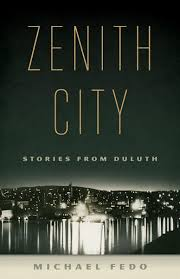
June 15th, 1920. A night that should have lived in infamy and instead was all but forgotten. Three young black men–Elias Clayton, Elmer Jackson, and Isaac McGhie–were forcibly removed from a jail cell and lynched in the street for all to see. In what is known as the only instance of lynching of African-Americans in Minnesota, three men were brutally attacked and murdered by an angry mob made up of a large number of enraged white Duluthians. When Duluth native, Michael Fedo, started the research for a novel he was beginning to write, he remembered a story his mother had told him about the lynchings in Duluth. When he went to look for the records of this event he found that there were no stories or written records of the terrible lynchings that had occurred. This was when he decided there was a story that needed to be told. I recently had the opportunity to sit down with Fedo and hear more about this story.
Micheal Fedo, native to the Duluth area, is a prolific author. His collection of works includes over 50 published short stories and 10 books. Arguably one of his most well-known works is The Lynchings in Duluth. Told in an hour-by-hour narrative style, readers walk through the events from the perspectives of those who lived through them, from rioters and police officers to what the actual prisoners themselves could have been thinking. There were six men arrested in total, all of them working at the circus that had been in town on the night of the 14th. This circus is where the alleged rape of Irene Tusken and the assault of James Sullivan occurred by what they claimed were six Black employees. The assault was reported hours later by Sullivan when he showed up to work later that night and from there the police were notified and thirteen Balck circus employees were apprehended. Originally published under a different name, Fedo’s story is an all-encompassing resource for the terrible lynchings.
The Lynchings in Duluth is an eye-opening look at the racial discrimination and historical act of hate in 1920. When he started what was to become The Lynchings in Duluth, Fedo said he was writing for an audience of “anyone in Minnesota who read.” He was shocked that nobody remembered the lynchings, well, nobody white remembered. The libraries didn’t have resources on it, it wasn’t being taught in classes, even classes about Minnesota.
Fedo was warned that he might get threats and there were some people who were upset by the publishing of the events. One man was so upset he sent horribly racist letters to Fedo. Many people, specifically white people, were upset that what they considered to be an extraneous part of Duluth’s past was being dredged up again. Even through this controversy, and the specific controversy attributed to its original title, Fedo talked about how people found and appreciated this book. Most people he talked to, and especially the Black Duluthians he talked to, were eager and thankful someone was finally recording the story.
When asked about the writing of his story, Fedo had an interesting perspective. Fedo’s work is able to tell a diverse story, one that explores the differing perspectives of rioters, bystanders, relatives, and members of the police who were there that night. Fedo’s research allowed him to explore the demographics of Duluth and how racial tension played a big role in the lynching of three young black men. He discussed how in the beginning, he “was really just trying to get ahold of anybody who would be willing to talk about it.” It was important to him to get accounts from people who would have had knowledge about what happened. Some people were easier to talk with than others. One man, in particular, had heard that Fedo was interviewing people about what happened and got ahold of him to tell his story. Unfortunately, the man’s story ended up being fabricated as he was never truly there that night. Fedo’s decision not to include the fabricated account hinged on his commitment to an ethical and honest recording of events. He went on to say that “some people have called this creative nonfiction” but he “didn’t include footnotes because [he] didn’t write this book for an academic readership.” Instead, the story is told from numerous perspectives that allow the reader to get into the minds of those there and see the way some of these men rationalized their actions.
The story is also told in the present tense, readers walk through the events hour by hour. Fedo admits he hadn’t really been thinking about the storytelling structure when he started writing but “what’s in [his] head as [he] works is story and what makes a story work.” He thought that this approach, the hour-by-hour structuring of events, would be engaging and more real to the audience, “cast a historical event to sound like the present, the story is more vivid to your readers.” Fedo’s work was the first to detail the events that transpired in June of 1920. He was the first to fully document what happened and put these men back into history.
Fedo never set out to write what became The Lynchings in Duluth. The book was originally published in 1979 and remains in print with the Minnesota Historical Press decades later. To this day there are not many sources about the lynchings. In 2003 the city of Duluth erected a memorial across from where the three men were lynched to keep the memory of what happened alive and commemorate the lives of Clayton, Jackson, and McGhie. Fedo’s work tells the story of an important piece of Minnesota history. Even though it is a difficult history for some to acknowledge, the murder of these three young men should not be forgotten.
Piper Wetzel is a college student born and raised in Minnesota. She attends the University of Minnesota Duluth and is majoring in English, Public History, and Writing Studies with certificates in Museum Studies and Creative Writing. She has also won scholarships for her essays over the years. She has an interest in writing about the representation of women in literature, feminist and queer theory, and analyzing novels. When writing creatively she prefers to write fiction but never seems to accomplish more than a few hundred words before she gives up on an idea. She grew up in a middle-class family in a small town in central Minnesota before moving to Duluth for college. Some of her favorite books include Frankenstein, Pride and Prejudice, and Gone Girl (read into that what you will). She hopes to one day make it in publishing and is considering pursuing a joint JD and MA in English before breaking into the industry, or moving to late 1800s London and becoming a street urchin.
University of Minnesota – Duluth students in David Beard’s Minnesota Writers class interviewed local writers and wrote spotlight articles that we will showcase in the coming months.
Meeting Kathy McTavish is like walking into an immersive installation, textured, and jam-packed with possibility. Known for pushing the boundaries of her practice as a composer, coder, and multimedia artist, McTavish is a combination of disciplinary edges that dissolve into something very relatable. Her practice as an artist, piles in everything from generative art and soundscapes to networked systems and collaborative storytelling. Our conversation, much like her art, made some very interesting connections: those between art and technology, solitude and connection, chaos and structure.
We started off with a question about her origins as an artist.
“…I’m interested in patterns, but not just like static snapshots but whole ecosystems [,] gonna move and change [in] time,” she said with a pensive smile on her face. “As a cellist, I was fascinated by the way sound moves through space, how it carries emotion. When I started working with code, I came to realize it’s another kind of music-a language of rhythm and structure that could shape entire worlds.”
For McTavish, the leap into coding wasn’t an exit from her artistic practice but more like a natural next step. She talked about discovering generative text, where algorithms are your collaborators in the creative process. “Generative systems allow for unpredictability.”
That philosophy shows up in projects like Chance, an expansive digital installation that combines text, sound, and visuals into a continually fluctuating narrative.
“Chance was born out of my fascination with randomness and interconnectivity,” she said. “I wanted to build something that felt alive, something that responded to its environment and could never be the same twice… Technology enables me to weave together sound, image, and text,” she said. “But it’s not about the product. There’s beauty in finding the logic, in crafting something that functions and breathes.”
In McTavish’s work, coding is not just a tool but a medium.
Still, McTavish is acutely aware of tensions between art and technology, including ethical concerns around data, algorithms, and surveillance.
“We live in a world where algorithms are shaping our perceptions and choices,” she said. “As artists, we have a responsibility to interrogate technology in ways that nurture connection rather than division, that amplify voices instead of silencing them.”
Her work often wrestles with creating space for reflection and dialogue. For example, Cloud Factory (below) is one of her most well-known works. “Cloud Factory was my way of mapping those stories onto the digital realm, of creating a space where people could see themselves as part of a larger system.”
When I asked McTavish about finding a balance, she said, “There’s a solitude in coding, in composing, that lets you really dig deep into your own thoughts. But collaboration brings other voices, other perspectives, into the mix. It’s in that tension-between the individual and the collective-that the most interesting work happens.”
Her collaborative ethos extends far beyond her installations themselves. McTavish is deeply committed to accessibility and community engagement, often creating projects that invite participation from diverse audiences. “Art shouldn’t be confined to galleries or concert halls,” she said. “It should be something that anyone can engage with, whether they’re walking through a public space or exploring an online network.”
As our conversation was ending, I asked McTavish what keeps her inspired. Her answer was as multi-layered as her work. “I’m inspired by the natural world-by the rhythms of ecosystems and weather patterns,” she said. “But I’m also inspired by people-by their stories, their resilience, their creativity. We’re all part of these vast, interconnected systems, and art is a way of making those connections visible.”
As I left the interview, my head whirred with thoughts about the methods McTavish had combined together. The battle between chaos and control, the power of collaboration, and the responsibility of an artist in a digital age. Her work is evidence to what is possible when art and technology merge, a reminder that creativity knows no discipline and no medium.
Ethan Ellerstein is a technologist and writer completing his Bachelor of Science in Computer Science with a Minor in Professional Writing at the University of Minnesota, Duluth. Combining technical expertise in software development with a passion for communication, Ethan explores the ethical dimensions of emerging technologies in his work. His projects, such as an AI-powered threat detection system and dynamic web applications, demonstrate innovative problem-solving and a focus on societal impact. Outside of academics, Ethan is active in robotics, ACM, and UMD Esports, reflecting his diverse interests and dedication to growth in both technology and storytelling.
University of Minnesota – Duluth students in David Beard’s Minnesota Writers class interviewed local writers and wrote spotlight articles that we will showcase in the coming months.
In a world so unapologetically permeated with stereotypes, assumptions, and negative messages about women and their societal roles, it was incredibly refreshing for me to discover Colleen Baldrica’s Tree Spirited Woman tucked away in a Canal Park art shop on one of the last straggling, sunny Duluth days. When I began thumbing through the slim pages, intrigued by the lacing, lonesome tree depicted on its cover, I never could have imagined how deeply Baldrica’s words would touch me or how desperately I needed to heed Tree Spirited Woman’s advice during that stressful first semester at the University of Minnesota Duluth: “Let go and trust.”
Tree Spirited Woman, for all its current articulateness and relevance to women,is a product of much time, strife, and trust. In the fall of 2024, I had the honor of speaking with Colleen Baldrica and hearing firsthand about the events and motivations that lead to the creation of her most acclaimed work. In her first year of college, Baldrica was a single mother struggling to balance her education and family as well as dealing with the weight of a recent divorce. However, one experience in the woods changed the trajectory of her entire life.
“I’m out [hiking in the woods] and praying and saying, ‘what do I do? What do I do?’” she explains, “and I am literally stopped by the trees … I could hear them, I could feel them … they said, ‘lift up your branches,’ and I could feel all this garbage being pulled from me … It was so powerful … I had to learn to trust that I would never be alone.” After this moment, she went to speak with her friend Charlie, who was a Lakota medicine man, and he told her, “I’m giving you the name, Tree Spirited Woman.”
A few years went by before Baldrica received another sign. “I had this dream that someday I would write this book. It would be in the style of Siddhartha and The Prophet … It would be between a young woman and an older woman, and it would all take place in the woods. But I had to grow into it.” Baldrica described to me how she had never considered herself a writer – she had just only just begun college – but over the next eight years, the dream kept coming to her. One day, she sat down and decided to start writing.
She began by organizing the book into fourteen different chapters, each of which address a different aspect or stage of womanhood. “I knew the first chapter had to be about the gift of listening … Listening is one of the most important things you can do. We have to quiet ourselves. We have to learn to listen without judgment.” Once she had the first section, everything else fell into place. She used her own life as a base, thinking about all the issues women face daily, and during the writing process, she continued to trust that the words would come when they were meant to. “I had to learn to let go, or I would destroy myself.”
Baldrica also described how marketing was the most difficult part of the entire operation. However, stopping to consider her target audience, doing her research, and following her gut instinct carried her through. She found that her books sell best in women’s gift shops and boutiques, and she encourages young authors to find a good editor and trust their instincts in the marketing process. “If you get that ‘uh oh’ feeling, trust it – take a moment to stop and reflect.”
Even throughout the difficult days and times when it felt like her efforts would all be in vain, Baldrica kept returning to Tree Spirited Woman because “the issues in the book are timeless … [Tree Spirited Woman] was a gift that I got that continues touching people.” Today, there are still moments when she wonders if it’s worth putting in another printing order or if it might be time for Tree Spirited Woman’s journey to close. But every time she thinks about shutting it down, she receives another letter or email thanking her for writing Tree Spirited Woman. These experiences particularly touch her and have been enough to continue Tree Spirited Woman’s success today.
Tree Spirited Woman is a call for women everywhere to reassess what it means to be female and to remember how uniquely important each of us truly are. As my time with Colleen Baldrica came to a close, I asked whether she had any words of wisdom for aspiring authors, and once again, she emphasized the value of confidence and trust. “Wherever you are put, look around and think, ‘what can I gain from this? I’m going to learn one new thing today.’ … Every tale is worth telling if you feel it strongly enough. Everybody has a story worth telling … Just write it; don’t worry about if it’s good enough for anybody else. You can be your toughest critic. Write it for you … Break it down if it’s overwhelming – just trust. Trust it’s going to come.”
Kaelyn Hvidsten is currently a first year English student at the University of Minnesota Duluth. She is an avid reader and writer with a concentration in nature-based poetry and classic literature. Kaelyn has won a variety of awards and scholarships for her writing, including an honorable mention from Penguin Random House for a short story she created in an effort to combat unjust book bannings. She was also the recipient of the English Departmental Award at the end of her senior year of high school and had several poems and short stories published in her local literary magazine, The Voice. Kaelyn gained editing experience through an internship as a beta reader for Utah author Lindsay Flanagan, and she hopes to explore a future career in this field, though her ultimate dream is to be a published poet. Beyond this, Kaelyn enjoys drawing, photography, playing with her cats, and has recently delved into songwriting. She’s looking forward to her years at UMD and learning all she can about writing and publishing!
University of Minnesota – Duluth students in David Beard’s Minnesota Writers class interviewed local writers and wrote spotlight articles that we will showcase in the coming months.
Upon entering Professor Emily Gaarder’s office, my eyes were immediately drawn to her shirt, which proudly displayed the word “feminist.” I couldn’t help but smile and comment on it, sparking an instant connection. As a double major in Writing Studies and Women, Gender, and Sexuality Studies, I’m committed to feminist causes and animal activism– two areas where Professor Gaarder has left a significant mark. This conversation was more than an interview; it was a chance to learn from someone who had merged advocacy with academic work and creative expression in ways that I hope to emulate.
Professor Gaarder, a feminist, animal rights activist, writer, and musician, has made waves in both academic, activist, and musical communities across Minnesota. As we settled in, I quickly realized that this conversation would be a powerful learning experience for any young writer passionate about social justice. Gaarder’s career demonstrates how one can seamlessly merge creative expression with advocacy, inspiring others along the way.
Gaarder shared how her early passion for both animal rights and feminist issues grew into a lifelong commitment, rooted in both academic study and hands-on activism. “Our everyday practices of activism are important and help us stay grounded. Activism, just like in this time and age…can feel overwhelming. Everywhere we turn. So, we have to work with people,” she explained. She described how her career has been a balancing act between teaching, parenting, writing, singing, and dedicating herself to causes she cares deeply about.
She also shared a pivotal moment in her life when her understanding of music’s power to convey ideas expanded. “Sarah Thompson, who is a local singer, songwriter, and musician I really love and have learned from, she would sometimes come to my classes and talk about how you could be teaching or sharing about an idea.” Sarah’s approach to art opened Gaarder’s eyes to the unique way music can impact people. She recalled how Sarah would use music and art to help students better understand the immigrant experience, explaining that “music and art come into the brain in a different way.” Gaarder found this perspective valuable because it suggested that, at times, music can communicate emotions and ideas in ways that are more accessible, engaging the heart rather than just the mind.
When I commented on how some people prefer writing over music, or vice-versa, as a form of self-expression, Gaarder agreed, noting that different people resonate with different forms of art. She continued, “I have writers and poets I read who, you know, I don’t need it to be musical, it just kinda sings on the page. I don’t really know how to do that. I can do it with the music but I don’t think I could do it the other way.” For Gaarder, the beauty of creative expression lies in how each person finds their own unique method of communication—whether through words, music, or both. Her ability to move between different forms of expression, while acknowledging their distinct qualities, highlights her deep understanding of how art can serve as a powerful tool for advocacy and connection.
When I asked Professor Gaarder which musician she would collaborate with, she eagerly jumped into the conversation, naming several artists who have influenced her over the years. ‘Waxahatchee’ was the first to come to mind, inspiring Gaarder because of her boldness and risk-taking in music. She then reflected on her college years, where artists like the Indigo Girls and Ani DiFranco had a profound impact on her. “They made me think, ‘Oh my God, I don’t play the guitar,’” Gaarder confessed, sharing how their socially conscious and feminist lyrics motivated her to pick up the guitar. At the time, certain topics or issues were viewed as taboo to discuss publicly, but these artists openly embraced progressive values and queer identities, showing Gaarder that it was possible to merge activism with music in a way that felt authentic.
When I asked Professor Gaarder about the challenges of balancing the personal and professional aspects of writing, particularly when working on topics close to her beliefs, she offered a thoughtful response. Rather than simply answering, she turned the question back on me, asking me to choose which aspect I found most interesting. I opted for her perspective as a writer, and she shared some insights that highlighted the tension between personal conviction and professional responsibility. Gaarder explained that when writing about her own research, she’s always aware of the need for reflexivity. “There’s no such thing as neutrality,” she said, acknowledging the importance of recognizing her perspective while engaging with the data. She emphasized that a writer must be open to standing by their research or theory, even if it challenges others. “If you’re a people pleaser,” she added, “you have to work on that.” Writing, especially about topics she deeply cares about, requires her to embrace criticism and stand firm in her views, knowing that some will disagree.
The same challenge extends to her music. Gaarder reflected on the process of writing and performing a song, where listeners might interpret her lyrics differently than she intended. “Some people are gonna connect to it because they actually think it’s something that I don’t think it’s about, but that’s okay,” she said. This acknowledgment of varied interpretations led her to consider the importance of staying true to her creative intent while being open to the feedback and reactions of others.
During our conversation, I asked Professor Gaarder how her creative process in music-making with the band TheRhizomes compares to the process of writing a book. Her response reflected both the similarities and differences between the two forms of creative expression. “You still have to put in the work,” she said. “Just because for me it’s more flowy, it’s more fun, but also it’s still hard.” For Gaarder, the creative process, whether for music or writing, requires consistent effort. One of the biggest challenges, she explained, is finding the time to commit to creativity when life demands so much attention.
When I asked if she finds parallels in how she approaches each creative process, Gaarder responded thoughtfully. She acknowledged that while she approaches music and writing differently, the underlying themes of accountability and social support are present in both. She is part of a writing group with other women faculty, where the members hold each other accountable to show up for their work. “There’s something about the social support of that that makes a difference,” Gaarder noted. The social aspect of creative work, whether in writing or music, helps combat the isolation often associated with the process. Gaarder expressed the importance of having a space where creators can give and receive feedback, which is just as crucial for musicians as it is for writers.
She also shared advice from a songwriter, Stephen Kellogg, who said, “Just say it straight, then say it great.” This advice, which applies to both academic writing and songwriting, encourages writers and musicians not to get bogged down by perfectionism in the initial stages. “We can overcorrect ourselves,” Gaarder reflected, “‘That’s not good enough,’ or ‘That’s too cliche.’ You’ll remember the emotion, the idea, or the concept. You can say it great, later.” This approach to writing resonated with me, as I often struggle with the expectation that my first draft must be flawless. Gaarder offered a reassuring perspective, sharing how her friend, an academic writer, drafts and revises her work multiple times before it reaches its final form. “Perfectionism is the enemy of creativity,” Gaarder said. Her words made me realize that the creative process isn’t about getting everything perfect right away– It’s about giving yourself the freedom to revise and grow along the way.
Phoebe Diez is a double major in Writing Studies and Women, Gender, and Sexuality Studies at the University of Minnesota, Duluth. She has a passion for exploring feminist topics, including women’s rights, violence against women, and reproductive health, in her written work. She also writes personal stories that touch on themes of childhood nostalgia, mental health, and personal growth. A creative writer at heart, Phoebe has earned recognition in writing contests, winning 1st and 3rd place in creative writing competitions. Outside of writing, she enjoys playing video games, like Dead by Daylight and The Sims, and spending time with her twin sister and friends watching horror movies and scary video game playthroughs. Phoebe currently works at Canal Bark, a doggy daycare and overnight boarding facility, where she cares for dogs, puppies, kittens, and cats. She dreams of becoming a published author or editor.
University of Minnesota – Duluth students in David Beard’s Minnesota Writers class interviewed local writers and wrote spotlight articles that we will showcase in the coming months.
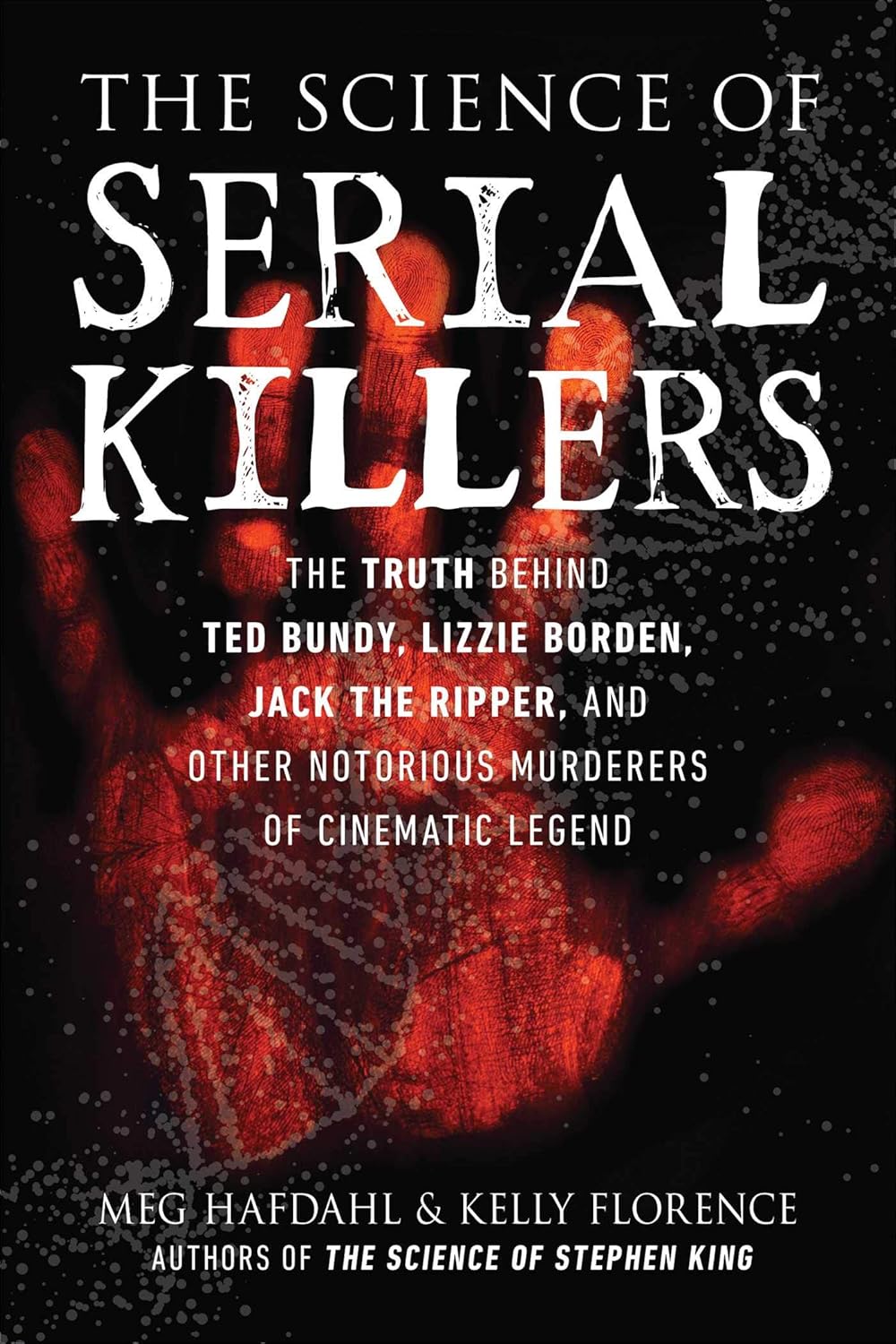
The horror genre has been ingrained in human culture for centuries and our fascination with it has only intensified with time. However, over the past several decades, horror has transitioned from books to the world of cinema. Late in the fall of 2024, I spoke with Kelly Florence, cohost of the Horror Rewind podcast and coauthor of The Science of Monsters about her experience as a nonfiction author and her fascination with the horror genre.
Florence, with a background in both theatre and communication, found an outlet in her podcast, Horror Rewind, which explores the elements of different forms of horror media in a “fun, female-driven way.” While Florence’s podcast features hundreds of film-focused episodes, her book only delves into the science behind thirty films.
“It’s always a struggle to narrow down which films to write about, but, when research begins, it becomes more apparent which threads to follow and which to leave behind. Sometimes, we’re excited to write about a particular movie, but we discover the themes have been covered in a previous book or chapter of ours. So, we pivot to make things fresh and new.”
Much like her podcast, her book is a collaborative project with Meg Hafdahl, her long-time friend and also a fellow Minnesotan. The two met in a gift shop and have been friends ever since. While they both share a love of horror, creating a project divided equally between two can be a challenge.
Despite the potential complications, the women are determined to create together.
“When we wrote our first book, we worked on every chapter together. We each did research and then discussed which avenues felt the most exciting to pursue. If we both weren’t passionate about something, we’d either exclude the topic or have the person who was interested take the lead.”
Florence seamlessly connects the scientific and fictional aspects of the horror genre throughout the book. In the book, she provides information about a multitude of different monsters and horrific events, such as vampires, witches, and even diseases that correlate with the films.
In a few cases, there is no simple scientific explanation. Florence also implemented myths and rumors to fill in the gaps left by science.
“Since lore and legends have been handed down through generations, it’s important to note how prevalent they are across the world. It’s been fascinating to discover how many stories and tropes are similar across cultures even though there’s no way people could have been sharing them continents apart.”
Despite the lack of scientific backing behind these myths, they have been just as important to the horror genre, which Florence discovered through her research. The presence of supernatural elements, which is extremely common in cultural legends, is often portrayed in these horror films.
One of the main issues nonfiction authors face is reader engagement. Florence found that a unique and easy-to-read format was the key to keeping the audience interested in her book.
“By dividing the book into sections, we can easily hone in on themes that will keep the reader interested while exploring a spectrum of topics. While this format worked for the film analysis books, we found that chronologically ordered chapters made more sense for the biography books we wrote like The Science of Stephen King (2020).”
Florence and Hafdahl divided their book into ten main sections, each containing 3 subsections focusing on a popular film within that section. Not only does this allow Florence to delve deeper into the scientific explanation behind each topic, it keeps the reader entertained. Through this engaging formatting, Florence was able to fight the stereotype of a “boring non-fiction book” and keep readers interested.
Since Florence wanted to concentrate on the reality behind the world’s favorite horror films, she had to write about a variety of extremely sensitive subjects. In the book’s chapter on Halloween, Florence writes about children who have become murderers which most likely inspired the creation of the infamous character of Michael Myers.
“It’s important to us in our books to write well-researched truths that relate to and [have] inspired the horror genre. Including sensitive topics and true crimes in chapters are handled delicately so as not to sensationalize the events. We also strive to be victim and survivor-focused so that criminals are not centered or put on a pedestal,” she said.
Florence is dedicated to handling the stories of violent crime with care. When discussing a real serial killer in the book, she presents only the facts and directly connects the event to the cinematic equivalent. This accomplishes her goal of education without idolizing the killers.
Studios continue to produce horror films and audiences around the world continue to be captivated by witnessing their fears portrayed on the big screen. Pop culture, as Florence has noticed, tends to revolve around specific niches in the horror genre.
“There are so many movies that have come out in the past five years that we would love to have included in The Science of Monsters. A major recent theme has been religion and cults so movies like Heretic (2024), Immaculate (2024), and Longlegs (2024) would be a fascinating section to delve into.”
Florence’s upcoming book, The Science of Alfred Hitchcock, is expected to be published in August of 2025 and is also in collaboration with Hafdahl. Following her pattern of a scientific analysis of famous horror films, this book focuses on the biographical and scientific aspects of Hitchcock’s most iconic works.
“Because the number of horror films we could write about was vast, there is plenty of content we will continue to write about in the future.”
Society, much like Florence herself, is forever fascinated with horror media. Just last year, horror was one of the most inspired and lucrative genres in cinema, producing hit films such as A Quiet Place: Day One and The Substance. Just as viewers continue to be captivated, Florence continues to investigate the scientific evidence behind these stories. While I consider myself to be a more surface-level horror fan, my experience with Florence’s writing has simultaneously educated me and amplified my interest in the genre.
Rachel Carroll is a student attending the University of Minnesota Duluth, pursuing a double major in Accounting and English. She has received multiple scholarships due to her academic success. Ever since she was a child, Rachel has been passionate about books and reading in all forms. Her taste in books varies, but she generally enjoys the genres of realistic fiction and romance. In her free time, Rachel enjoys reading (obviously!), going on walks in nature, spending time with her friends/family, and daydreaming about living in New York City. One of Rachel’s life goals is to have a home library that includes every single book in the Penguin Clothbound Classics collection.










 Lake Superior Writers