University of Minnesota – Duluth students in David Beard’s Minnesota Writers class interviewed local writers and wrote spotlight articles that we will showcase in the coming months.
The horror genre has been ingrained in human culture for centuries and our fascination with it has only intensified with time. However, over the past several decades, horror has transitioned from books to the world of cinema. Late in the fall of 2024, I spoke with Kelly Florence, cohost of the Horror Rewind podcast and coauthor of The Science of Monsters about her experience as a nonfiction author and her fascination with the horror genre.

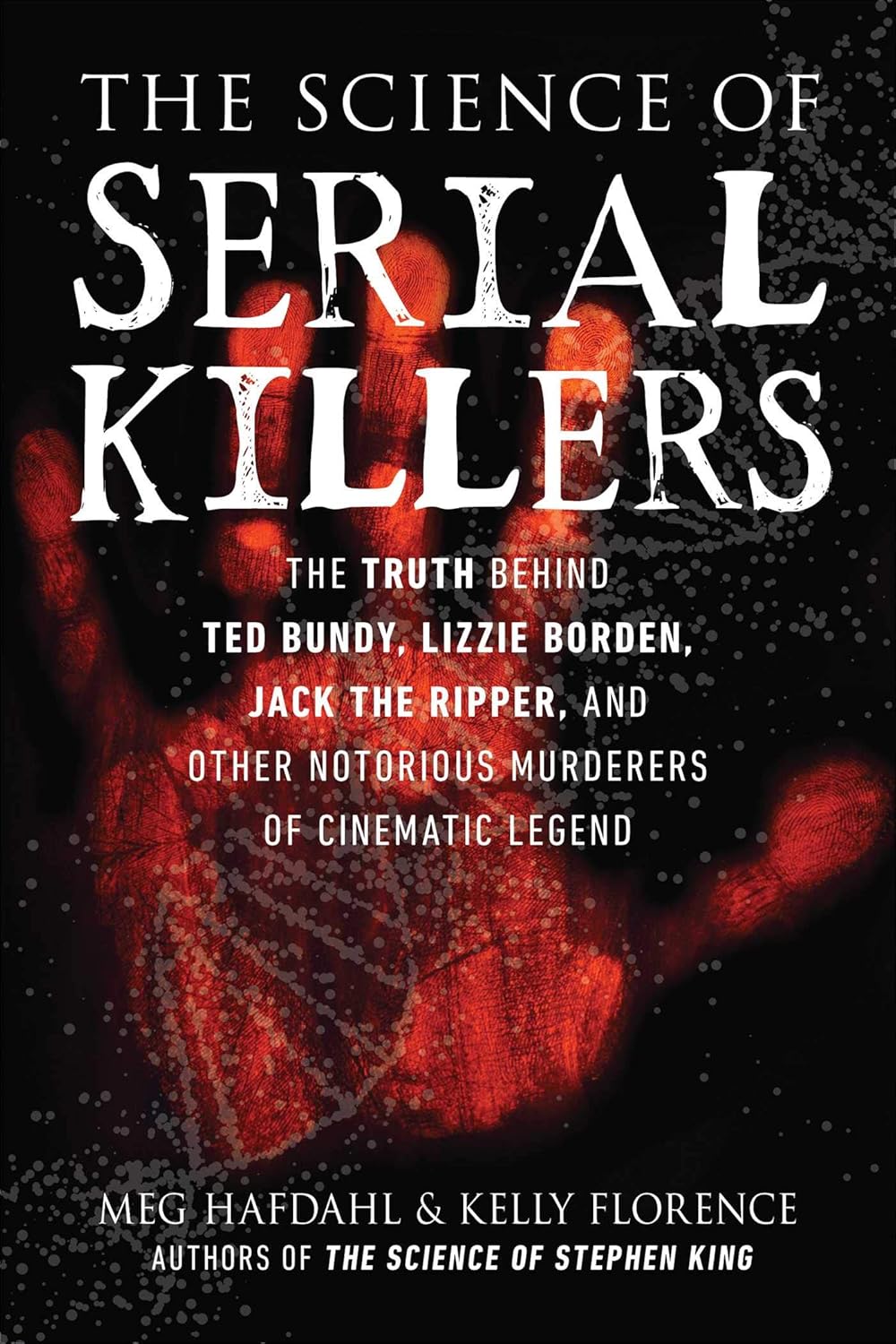

Florence, with a background in both theatre and communication, found an outlet in her podcast, Horror Rewind, which explores the elements of different forms of horror media in a “fun, female-driven way.” While Florence’s podcast features hundreds of film-focused episodes, her book only delves into the science behind thirty films.
“It’s always a struggle to narrow down which films to write about, but, when research begins, it becomes more apparent which threads to follow and which to leave behind. Sometimes, we’re excited to write about a particular movie, but we discover the themes have been covered in a previous book or chapter of ours. So, we pivot to make things fresh and new.”
Much like her podcast, her book is a collaborative project with Meg Hafdahl, her long-time friend and also a fellow Minnesotan. The two met in a gift shop and have been friends ever since. While they both share a love of horror, creating a project divided equally between two can be a challenge.
Despite the potential complications, the women are determined to create together.
“When we wrote our first book, we worked on every chapter together. We each did research and then discussed which avenues felt the most exciting to pursue. If we both weren’t passionate about something, we’d either exclude the topic or have the person who was interested take the lead.”
Florence seamlessly connects the scientific and fictional aspects of the horror genre throughout the book. In the book, she provides information about a multitude of different monsters and horrific events, such as vampires, witches, and even diseases that correlate with the films.
In a few cases, there is no simple scientific explanation. Florence also implemented myths and rumors to fill in the gaps left by science.
“Since lore and legends have been handed down through generations, it’s important to note how prevalent they are across the world. It’s been fascinating to discover how many stories and tropes are similar across cultures even though there’s no way people could have been sharing them continents apart.”
Despite the lack of scientific backing behind these myths, they have been just as important to the horror genre, which Florence discovered through her research. The presence of supernatural elements, which is extremely common in cultural legends, is often portrayed in these horror films.
One of the main issues nonfiction authors face is reader engagement. Florence found that a unique and easy-to-read format was the key to keeping the audience interested in her book.
“By dividing the book into sections, we can easily hone in on themes that will keep the reader interested while exploring a spectrum of topics. While this format worked for the film analysis books, we found that chronologically ordered chapters made more sense for the biography books we wrote like The Science of Stephen King (2020).”
Florence and Hafdahl divided their book into ten main sections, each containing 3 subsections focusing on a popular film within that section. Not only does this allow Florence to delve deeper into the scientific explanation behind each topic, it keeps the reader entertained. Through this engaging formatting, Florence was able to fight the stereotype of a “boring non-fiction book” and keep readers interested.
Since Florence wanted to concentrate on the reality behind the world’s favorite horror films, she had to write about a variety of extremely sensitive subjects. In the book’s chapter on Halloween, Florence writes about children who have become murderers which most likely inspired the creation of the infamous character of Michael Myers.
“It’s important to us in our books to write well-researched truths that relate to and [have] inspired the horror genre. Including sensitive topics and true crimes in chapters are handled delicately so as not to sensationalize the events. We also strive to be victim and survivor-focused so that criminals are not centered or put on a pedestal,” she said.
Florence is dedicated to handling the stories of violent crime with care. When discussing a real serial killer in the book, she presents only the facts and directly connects the event to the cinematic equivalent. This accomplishes her goal of education without idolizing the killers.
Studios continue to produce horror films and audiences around the world continue to be captivated by witnessing their fears portrayed on the big screen. Pop culture, as Florence has noticed, tends to revolve around specific niches in the horror genre.
“There are so many movies that have come out in the past five years that we would love to have included in The Science of Monsters. A major recent theme has been religion and cults so movies like Heretic (2024), Immaculate (2024), and Longlegs (2024) would be a fascinating section to delve into.”
Florence’s upcoming book, The Science of Alfred Hitchcock, is expected to be published in August of 2025 and is also in collaboration with Hafdahl. Following her pattern of a scientific analysis of famous horror films, this book focuses on the biographical and scientific aspects of Hitchcock’s most iconic works.
“Because the number of horror films we could write about was vast, there is plenty of content we will continue to write about in the future.”
Society, much like Florence herself, is forever fascinated with horror media. Just last year, horror was one of the most inspired and lucrative genres in cinema, producing hit films such as A Quiet Place: Day One and The Substance. Just as viewers continue to be captivated, Florence continues to investigate the scientific evidence behind these stories. While I consider myself to be a more surface-level horror fan, my experience with Florence’s writing has simultaneously educated me and amplified my interest in the genre.
Rachel Carroll is a student attending the University of Minnesota Duluth, pursuing a double major in Accounting and English. She has received multiple scholarships due to her academic success. Ever since she was a child, Rachel has been passionate about books and reading in all forms. Her taste in books varies, but she generally enjoys the genres of realistic fiction and romance. In her free time, Rachel enjoys reading (obviously!), going on walks in nature, spending time with her friends/family, and daydreaming about living in New York City. One of Rachel’s life goals is to have a home library that includes every single book in the Penguin Clothbound Classics collection.
 Lake Superior Writers